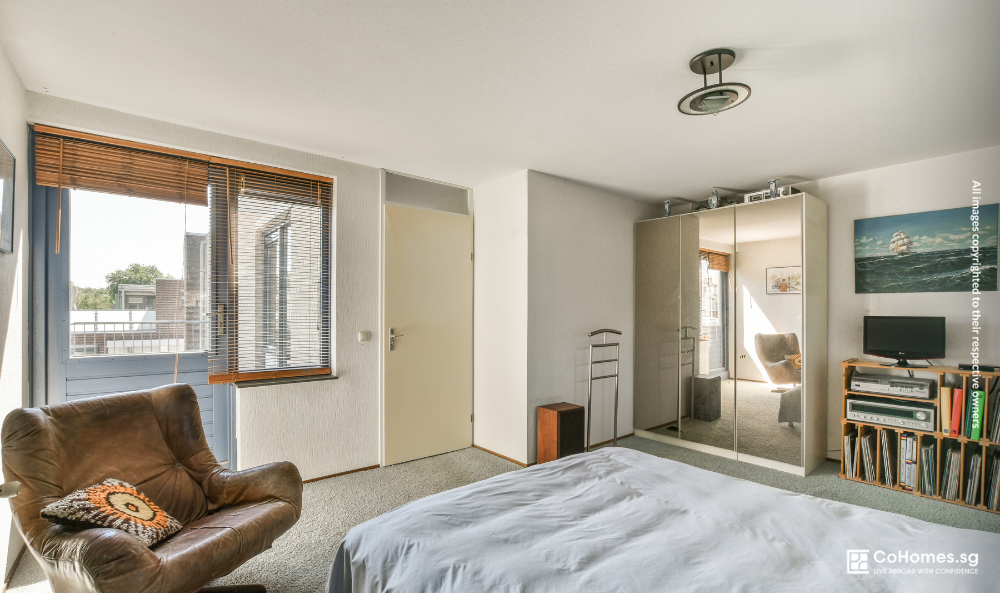
A new tenant is moving in. The room has been cleaned. The furniture is in place. The previous tenant has left. Then you notice a few things.
There is a small mark on the wall. One cabinet door does not close perfectly. The bathroom exhaust fan is noisy. The desk has a minor scratch. One light fixture could probably be replaced.
Do you fix everything before the tenant arrives?
For some operators, the instinct is yes. A new tenancy feels like the perfect moment to make the property feel completely refreshed.
But trying to fix every imperfection can quickly become expensive and inefficient.
At the same time, leaving the wrong problem unresolved can create a poor first impression or turn a small maintenance issue into a much bigger one.
The real challenge is knowing the difference.
Not every defect deserves the same priority, but some should never wait.

The First Question: Does It Affect Daily Living?
A useful way to prioritise maintenance is to stop looking at the property through the operator's eyes and look at it through the new tenant's routine.
Ask:
“Will this make the tenant's everyday life harder?”
A scratch on a wardrobe may not.
A broken wardrobe door might.
A slightly faded wall may not.
A leaking air-conditioner definitely might.
This distinction helps operators separate cosmetic imperfections from problems that directly affect the tenant's ability to live comfortably in the property.
Before move-in, prioritise anything that affects:
- Safety.
- Basic functionality.
- Cleanliness and hygiene.
- Privacy and security.
- Essential appliances or facilities.
- Comfort in everyday use.
These are the issues a tenant is likely to notice quickly, even if they were not obvious during the viewing.
Safety Problems Should Never Be Put on the “Later” List
Some maintenance decisions are straightforward.
If something creates a safety risk, it should be addressed before the tenant moves in.
This could include damaged electrical fittings, unstable furniture, broken locks, exposed wiring, serious water leaks or other conditions that could reasonably cause harm.
These are not improvements.
They are basic requirements for a property to be ready for someone to live in.
The same principle applies to anything that compromises security.
A tenant should not have to move into a property and discover that a door lock does not work properly or that a window cannot be secured.
A new tenancy is not the time to discover that a basic safety issue was left unresolved.
Fix What the Tenant Will Need on Day One
Some issues may not be dangerous, but they can still create unnecessary friction if they are not resolved before move-in.
Think about the first 24 hours.
The tenant arrives with their luggage. They need to sleep, shower, charge their devices, use the bathroom and settle into the room.
If the air-conditioning does not work, the Wi-Fi is unavailable, the room's light does not function or the washing machine cannot be used, the tenant immediately feels that the property was not properly prepared.
This matters because the first few days shape the tenant's first impression of how the rental is managed.
A minor issue that could have been fixed before arrival can feel much bigger when the tenant has just moved in.
What About Cosmetic Issues?
This is where operators need more judgement.
Not every scuff mark requires repainting.
Not every piece of furniture needs replacing.
Not every outdated fitting needs upgrading simply because a new tenant is arriving.
Cosmetic improvements can be worthwhile, particularly when they materially affect how attractive or functional the property feels.
But they should not automatically take priority over functional problems.
A useful distinction is:
Needs fixing: Something is broken, unsafe, unhygienic or materially affects how the tenant uses the property.
Could be improved: Something works, but could look or function better.
Can wait: Something is minor enough that addressing it immediately would not meaningfully improve the tenant's experience.
This prevents every turnover from becoming a full renovation project.
Small Problems Can Become Expensive Problems
There is one reason operators should not dismiss every minor issue.
Some problems become much more expensive if they are ignored.
A small water stain could indicate a leak.
A slightly unusual air-conditioning noise could point to a developing maintenance issue.
A loose fitting may become damaged through repeated use.
A small patch of mould can spread if the underlying moisture problem is not addressed.
This is why operators need to distinguish between a cosmetic imperfection and an early warning sign.
The question is not simply whether the problem looks serious today.
It is whether leaving it alone is likely to create a larger problem later.
The Tenant Shouldn't Be Your Maintenance Tester
One common mistake is to wait for the new tenant to discover whether something works.
The tenant moves in and then reports that the washing machine is not functioning properly.
Or the bedroom light does not turn on.
Or the air-conditioning is not cooling properly.
Or the bathroom drain is blocked.
At that point, the operator has turned a pre-move-in check into a tenant complaint.
It is better to test the important things before arrival.
Before handing over the room, operators can check:
- Lights and switches.
- Air-conditioning.
- Water supply and drainage.
- Major appliances.
- Locks and doors.
- Internet connection, where provided.
- Furniture stability and basic condition.
- Bathroom fixtures.
- Kitchen and laundry facilities.
This does not require an elaborate inspection every time.
It simply means making sure the basics actually work before someone depends on them.
Prioritise the Things the Tenant Will Notice Immediately
Not all problems are equally visible.
A tenant is much more likely to notice a broken bedside light on their first night than a small scratch behind a wardrobe.
They will notice an unpleasant smell more quickly than a minor mark on a wall.
They will notice a leaking tap more quickly than slightly outdated cabinet handles.
This gives operators a simple way to prioritise:
What will the tenant see, use or experience first?
The answer can help determine what should be handled before move-in and what can be scheduled later.
The Move-In Condition Should Match the Listing
There is another reason preparation matters.
The property the tenant moves into should broadly match what they were shown when they decided to rent it.
If the listing showed a clean, well-maintained room but the tenant arrives to find damaged furniture, dirty common areas or missing items, the issue goes beyond maintenance.
It becomes an expectation problem.
This is particularly important in room rentals because tenants often make decisions based on photographs and relatively short viewings.
A property does not need to be perfect.
But it should feel consistent with what the tenant thought they were renting.
Don't Turn Every Turnover Into a Spending Contest
A new tenant moving in can create a psychological temptation for operators to “reset” everything.
New furniture feels cleaner.
New appliances feel safer.
Fresh paint makes the room look better.
But if everything is replaced every time a tenant leaves, the cost of turnover can quickly eat into rental returns.
Instead, evaluate each item based on condition and usefulness.
Ask:
- Is it still functional?
- Is it clean and presentable?
- Is it likely to cause problems soon?
- Does replacing it meaningfully improve the tenant experience?
- Would repair be enough?
- Is the cost justified by the expected benefit?
Sometimes the best decision is replacement.
Sometimes it is repair.
Sometimes it is simply cleaning the item properly.
A Simple Priority System Can Help
Operators do not need to make every maintenance decision from scratch.
A simple three-level approach can make turnover preparation much easier.
Fix Before Move-In
Prioritise issues involving:
- Safety or security.
- Water leaks or serious plumbing issues.
- Electrical problems.
- Broken essential appliances.
- Non-functioning air-conditioning.
- Hygiene issues.
- Anything that prevents normal use of the room or shared facilities.
Schedule Soon
These are issues that do not prevent move-in but should not be ignored indefinitely.
Examples could include worn furniture, minor appliance issues, ageing fixtures or repairs that are likely to become more serious with continued use.
Can Wait
Minor cosmetic imperfections can often be handled during a future maintenance cycle rather than immediately before every new tenancy.
Examples include small scuffs, minor scratches or aesthetic improvements that do not affect functionality.
The exact priority will depend on the property, but the principle remains the same:
Fix based on impact, not simply because something is imperfect.
The Goal Is Not a Perfect Property
A rental property is going to experience normal wear and tear.
Furniture will eventually get scratched. Walls will need repainting. Appliances will age. Fixtures will need replacement.
Trying to eliminate every sign of use is neither realistic nor necessarily financially sensible.
The goal before a new tenant moves in is not perfection.
It is to make sure the property is:
Safe. Clean. Functional. Comfortable. And consistent with what was promised.
That is a much more useful standard for operators.
Good Turnover Management Is About Timing
The biggest opportunity is not necessarily spending more money.
It is making better decisions about when to spend it.
A major repair that is discovered during a vacancy may be worth addressing immediately because the property is already empty.
A cosmetic improvement might make sense when several areas need attention at the same time.
A minor issue may be better scheduled for the next planned maintenance visit.
Thinking this way helps operators avoid two extremes: ignoring problems until they become expensive, or spending unnecessarily every time a tenant leaves.
Final Thoughts
Every tenant turnover creates a natural maintenance window.
But that does not mean every imperfection needs to be fixed before the next person arrives.
The priority should be the things that affect safety, functionality, hygiene, security and the tenant's ability to comfortably live in the property from day one.
Everything else can be assessed based on urgency, cost and impact.
For operators, the question is not:
“What can I fix before the tenant moves in?”
It is:
“What needs to be right before someone starts living here?”
That small change in thinking can help control turnover costs while still delivering a property that feels properly prepared.
Because a well-maintained rental is not one where nothing ever needs fixing.
It is one where the right things get fixed at the right time.
CoHomes helps rental operators stay on top of property operations and tenant experience, so maintenance decisions are handled proactively rather than only when a tenant reports a problem.