When an owner prepares a room for rent, the focus naturally goes to the room itself.
Is the bed comfortable? Does the furniture look good? Is there enough storage? Does the room look attractive in photos?
These things matter.
But for someone renting a room in a shared home, the bedroom is only one part of what they are paying for.
They are also paying to live with other people, use shared facilities, follow household expectations and rely on someone to deal with problems when something goes wrong.
In other words, the tenant is not only renting a room. They are renting a living experience.
This is particularly important in Singapore, where room rentals and shared living are a practical option for people who want to manage housing costs while remaining close to work, transport and amenities.
A room may look perfect during a viewing. But whether a tenant actually wants to stay depends on what happens after they close the bedroom door.
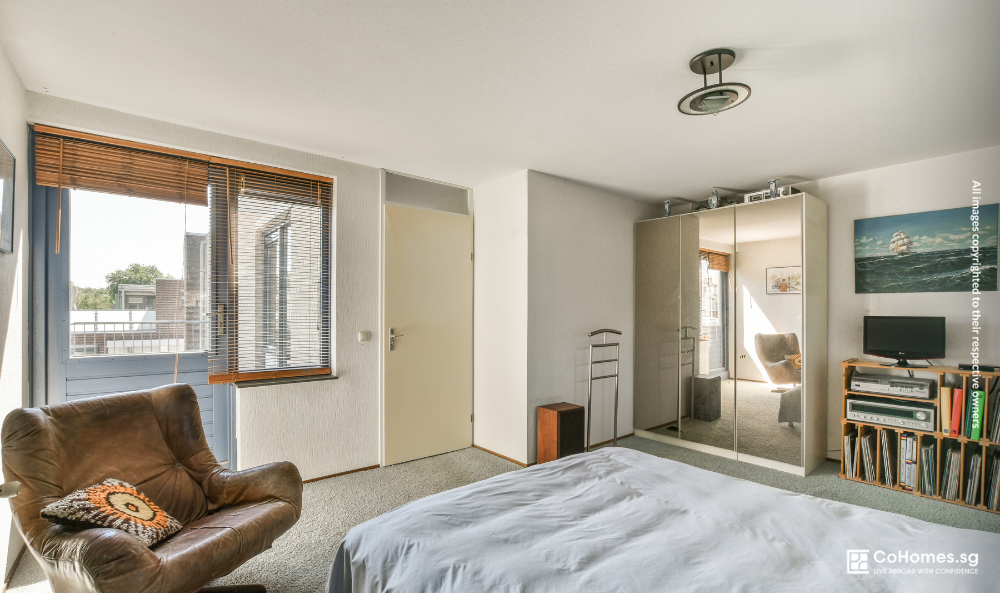
A Good Room Can Still Be a Difficult Home
Imagine two rooms that are almost identical.
Both are clean, furnished and similarly priced. Both are in convenient locations.
In the first home, the kitchen is usually clean, tenants respect quiet hours, shared facilities are maintained and issues are dealt with quickly.
In the second, the room itself is great, but the kitchen is often messy, the bathroom is difficult to share, and tenants are unsure who to contact when something needs fixing.
The rooms may be comparable.
The living experiences are not.
This is why operators can sometimes invest heavily in improving individual rooms without addressing the things that actually determine whether tenants enjoy living in the property.
Shared Spaces Become Part of the Product
When someone rents an entire apartment, they have much more control over their living environment.
When they rent a room, they are also sharing parts of the home.
That makes common areas much more important.
The kitchen, bathroom, living room, laundry facilities and even the corridor outside the room can influence how comfortable the tenant feels.
A tenant may rarely think about the living room when everything works well.
But if it is constantly cluttered or difficult to use, they will notice it every day.
The same applies to the kitchen. A clean, functional kitchen can make shared living feel easy. A kitchen where tenants regularly leave dishes, food or rubbish behind can quickly become a source of frustration.
The quality of shared spaces can affect the perceived value of a private room.
The Other Tenants Are Part of the Rental Experience
This is one of the biggest differences between renting a room and renting an entire property.
When a tenant chooses a room, they are also choosing a household.
They may want a quiet environment because they work long hours. Another tenant may prefer a more social home. Someone else may simply want housemates who are respectful and keep common spaces clean.
There is no single household style that is right for everyone.
The problem occurs when expectations are completely mismatched.
For example, a tenant who expects a quiet home may struggle in a household where people regularly have friends over. Someone who enjoys cooking every evening may not be comfortable in a home where the kitchen is rarely used.
Neither tenant is necessarily difficult.
They may simply have different ideas about what comfortable shared living looks like.
Tenant Fit Matters More Than Operators Sometimes Realise
For operators, filling an empty room quickly can feel like the priority.
But the fastest placement is not always the best placement.
A tenant who is technically suitable for the room may still be a poor fit for the household.
That can create problems later:
- More friction between housemates.
- Repeated complaints about shared spaces.
- Misunderstandings around house rules.
- More operator intervention.
- A higher chance of early move-out.
This is why tenant selection should consider more than whether someone can afford the rent and meet the basic requirements.
The question should also be:
“Will this person be comfortable living in this particular household?”
That does not mean operators need to find tenants who are identical.
It means they should have a clear understanding of the environment they are offering and communicate it honestly.
House Rules Shape the Feeling of a Home
House rules are necessary in shared housing.
They help establish expectations around cleanliness, noise, guests, cooking and the use of common facilities.
But rules also contribute to how the home feels.
A tenant may accept reasonable rules because they understand what the rules are protecting. But if the property has restrictions for almost every aspect of daily life, it can begin to feel less like a home and more like a place where the tenant is constantly being monitored.
That can affect the perceived value of the rental even if the room itself is excellent.
The best rules usually have a clear purpose: helping people live together without unnecessarily controlling how they live.
Management Is Part of What the Tenant Is Paying For
There is another part of the rental experience that is easy to overlook: what happens when something goes wrong.
A tenant does not expect everything in a home to work perfectly forever.
Air-conditioning can stop working. Appliances can break. A pipe can leak. Something in a shared space may need attention.
What often matters is how the problem is handled.
If the tenant knows who to contact, receives a response and can see that the issue is being addressed, the disruption may remain just that — a disruption.
If messages go unanswered or the tenant has to repeatedly chase someone for an update, the same maintenance issue can become a much bigger frustration.
This is why property management is not simply an operational function behind the scenes.
From the tenant's perspective, management is part of the product.
Convenience Doesn't End at the MRT Station
Location is obviously important in Singapore's rental market.
Being close to an MRT station, workplace, supermarket or other amenities can make a property much more attractive.
But convenience also exists inside the home.
A tenant may value:
- A washing machine that is easy to use.
- Enough kitchen space for everyone.
- Reliable Wi-Fi.
- Functional storage.
- A clean bathroom.
- Clear communication when something needs fixing.
- Common spaces that are actually usable.
These details may not appear as prominently in a listing as “5-minute walk to MRT”.
But they can influence how the tenant feels about the property every day.
What Tenants Notice After the Viewing
During a viewing, tenants naturally focus on the room.
Is it big enough? Is there enough light? Does the furniture look good?
After moving in, their attention changes.
They begin noticing things they could not fully understand during a 15-minute viewing:
- How crowded the kitchen gets.
- Whether the bathroom stays clean.
- How noisy the household is at night.
- How often common areas are cleaned.
- Whether housemates respect shared spaces.
- How quickly maintenance issues are resolved.
- Whether the home actually feels like the one they expected.
These everyday details can have a bigger influence on satisfaction than the things that looked impressive during the viewing.
This Is Why “Better Room” Doesn't Always Mean “Better Rental”
An operator can spend money making a bedroom more attractive.
That may be worthwhile.
But if the shared bathroom is poorly maintained, the kitchen is difficult to use and tenants regularly have conflicts over household expectations, the improvement may have limited impact on the overall rental experience.
Before investing in another room upgrade, operators should also look at the experience outside the bedroom.
Ask:
- Are common spaces being maintained properly?
- Are household expectations clear?
- Do tenants generally feel comfortable around each other?
- Are maintenance requests handled consistently?
- Is the property being managed in a way that tenants can rely on?
Sometimes the next improvement is not a new piece of furniture.
It is fixing something that tenants have to live with every single day.
The Rental Experience Is Built From Small Things
Most tenants do not wake up every morning thinking about whether their rental offers a good experience.
They simply notice when something makes living there easier or harder.
A clean kitchen.
A quiet night.
A working washing machine.
A responsive operator.
A housemate who cleans up after themselves.
A bathroom that does not become a daily source of frustration.
None of these things sounds particularly impressive on a property listing.
Together, however, they determine whether a tenant feels comfortable living there.
And that feeling can eventually influence whether they stay.
Operators Should Think Beyond the Bedroom
For rental operators, this does not mean the room itself is unimportant.
The room is still the tenant's private space and often the first thing they compare between listings.
But it is only the beginning.
A successful shared rental needs the private space, shared environment and management experience to work together.
When those elements are aligned, the tenant gets something more valuable than a furnished bedroom.
They get a home that is easier to live in.
Final Thoughts
A rental room can be attractive enough to win a viewing.
But what makes a tenant want to stay is often everything they experience after the viewing is over.
The room matters. So does the kitchen.
The furniture matters. So does the household.
The location matters. So does how quickly a maintenance issue gets resolved.
For operators, this is an important shift in perspective.
You are not only renting out square metres and furniture. You are creating a living environment that someone will experience every day.
That means improving the rental is not always about making the bedroom better.
Sometimes, the biggest opportunity is to make the home around the bedroom work better.
CoHomes helps rental operators look beyond the room itself and manage the wider tenant experience, from shared living environments and property operations to communication and day-to-day management.