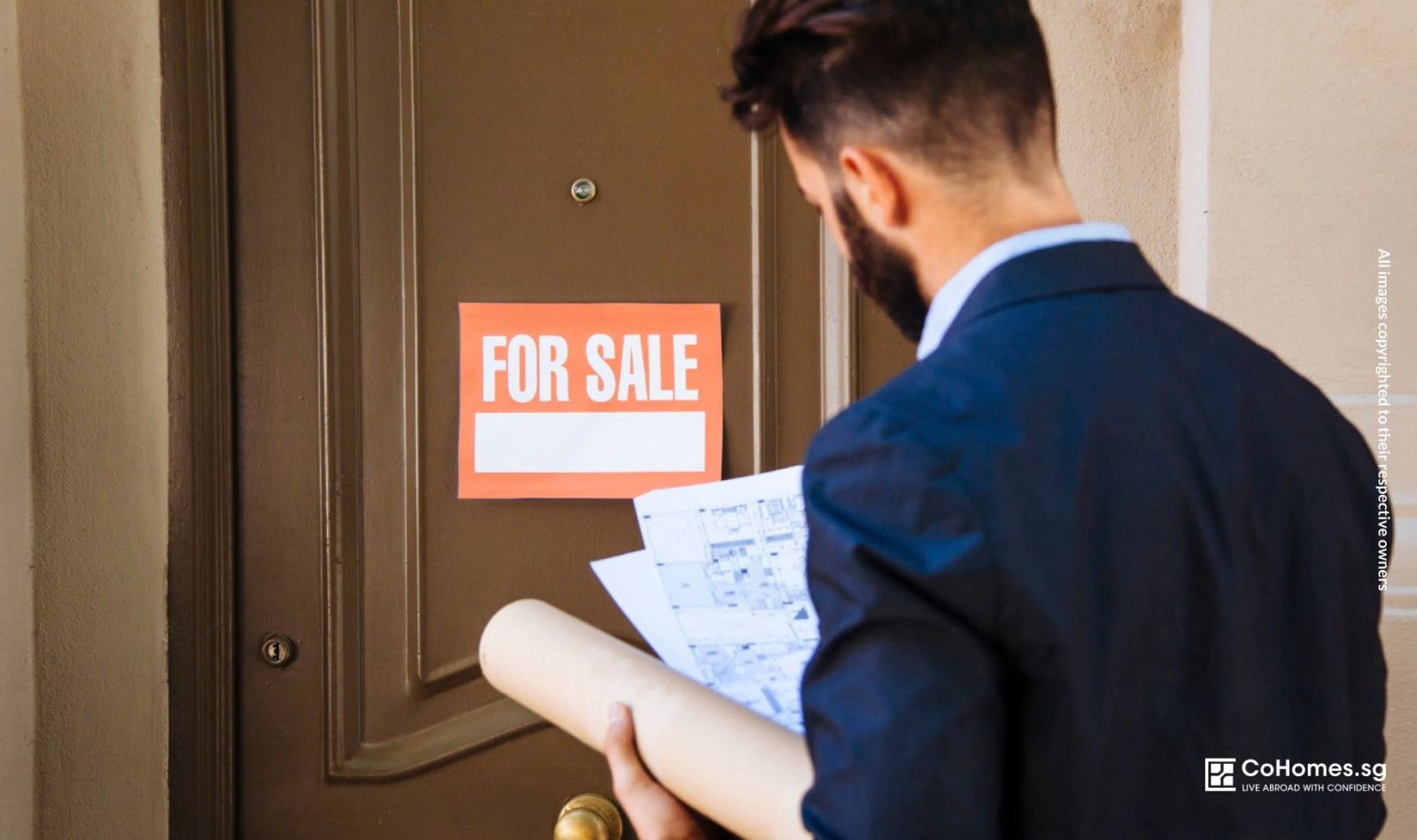
The Singapore rental market is changing.
Rising demand, shifting lifestyles, and evolving expectations are redefining how people rent and how properties are managed. At the center of this transformation is co-living.
What was once considered an alternative housing option is now becoming a core segment of the Singapore rental market, influencing pricing strategies, tenant expectations, and operational models. There is a riase with local younger professionals are renting too. For property owners and operators, understanding this shift is no longer optional. It is strategic.
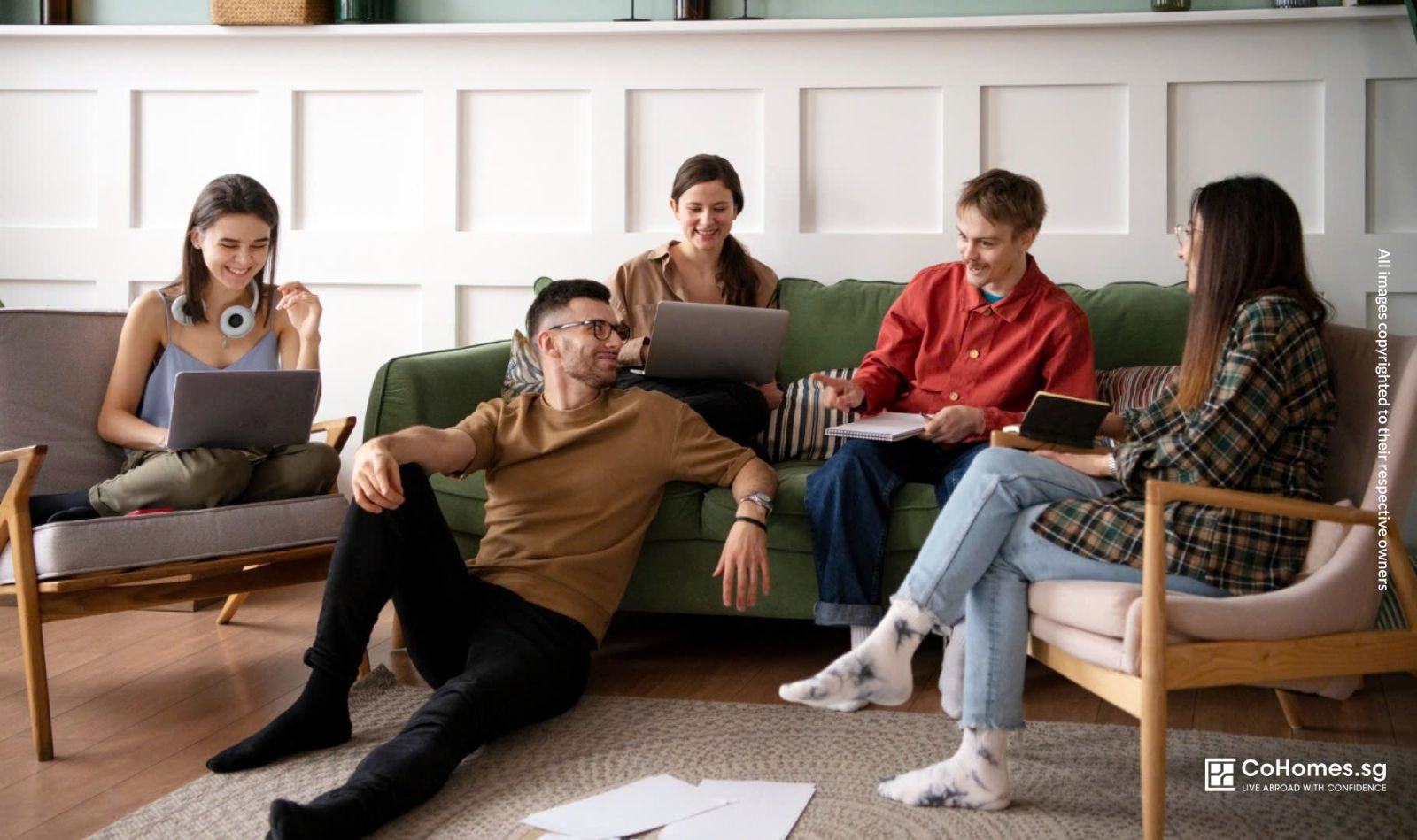
The Rise of Co-Living in Singapore
Co-living in Singapore has grown rapidly over the past few years. Driven by:
- Young professionals seeking flexibility
- Expats relocating for work
- Rising rental prices in central areas
- Demand for fully furnished, ready-to-move-in homes
This demand has created a new category between traditional renting and hospitality.
Co-living is not just shared space, it is structured, managed living.
Changing Tenant Expectations
Today’s renters are not only looking for a place to stay. They are looking for:
- Convenience
- Flexibility
- Speed of move-in
- Minimal setup effort
In traditional rentals (e.g. full unit rental), tenants often need to:
- Buy furniture
- Set up utilities
- Commit to long leases
Co-living removes these barriers.
This shift is redefining what “standard rental” means in Singapore.
From Space to Experience
The biggest transformation is not physical. It is conceptual.
Traditional rental model:
- Focus on space
- Transaction-based
- Minimal ongoing engagement
Co-living model:
- Focus on experience
- Service-driven
- Continuous management
Operators who adapt to this shift are able to:
- Command better pricing
- Improve tenant retention
- Reduce vacancy periods
- Increase business valuation
Higher Demand for Flexibility
Flexibility has become a core driver in the Singapore rental market.
Tenants now prefer:
- Shorter lease terms
- Easier relocation
- Less upfront commitment
This is influenced by:
- Changing career paths
- Remote and hybrid work
- International mobility
Co-living aligns naturally with these needs.
Impact on Rental Pricing and Yield
Co-living is also reshaping how rental income is structured. Instead of renting a unit as a whole, operators:
- Optimise pricing per room
- Adjust rates based on features
- Increase overall yield potential
While operational effort increases, so does revenue flexibility. This creates a new balance between effort and return.
Operational Complexity Becomes a Competitive Advantage
Running a co-living property requires more coordination, but that complexity creates barriers to entry.
Operators who build these steps will gain a long-term advantage:
- Structured processes
- Strong tenant experience
- Efficient systems
In this model, operations are not a burden, they are the differentiator.
Community and Social Value
Co-living also introduces a social dimension to renting. For many tenants, especially newcomers to Singapore:
- Shared spaces reduce isolation
- Community creates comfort
- Interaction improves overall experience
While not every tenant prioritises community, it remains a strong value driver for a growing segment.
A Shift From Passive Ownership to Active Operation
Perhaps the most important change is mindset. Property ownership in Singapore used to be:
- Passive
- Long-term
- Transaction-focused
Co-living requires:
- Active management
- Service thinking
- Continuous optimisation
This shift is transforming landlords into operators.
Co-Living Is Not Replacing Traditional Rentals
Traditional rentals will continue to exist, but co-living is expanding the market by:
- Serving new tenant segments
- Offering more flexible options
- Increasing utilisation of space
It is not a replacement, it is an evolution.
Final Thought
Co-living is reshaping the Singapore rental market by aligning housing with how people live and work today. For operators, this shift represents both an opportunity and a challenge. Success depends on the ability to move beyond passive ownership and build structured, experience-driven rental systems.
At CoHomes, we see co-living as more than a trend. It is a long-term evolution in how urban housing operates. With the right model, operators can create more flexible, efficient, and resilient rental businesses.
Because the future of renting is not just about space, it is about how that space is managed and experienced.