

The concept of living is changing. In Singapore, renting is no longer just a temporary solution, it is increasingly becoming a flexible, lifestyle-driven choice. Driven by shifting work patterns, evolving priorities, and greater mobility, flexible living is reshaping the rental market. For property owners, this is not just a trend to observe, but a clear signal to adapt.
What Is Flexible Living?
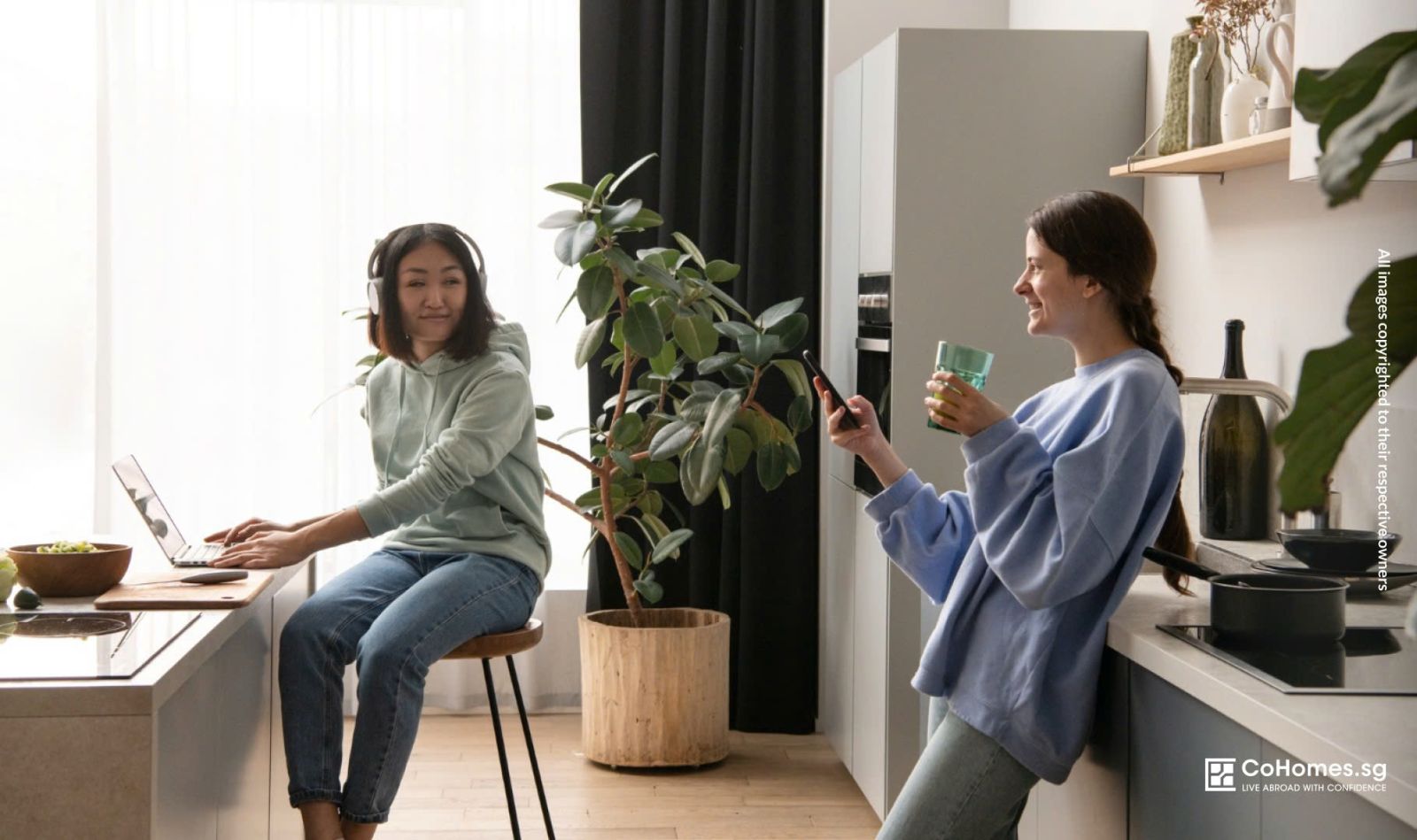
Flexible living refers to housing that adapts to how people live today. It typically includes shorter or more adaptable lease terms, fully furnished and move-in ready units, simplified leasing processes, and reduced long-term commitment.
At its core, it prioritises convenience and adaptability over permanence, making it especially appealing to modern renters.
Why Flexible Living Is Growing in Singapore
Several key shifts are driving this trend.
1. Changing Career Patterns
Careers today are far less linear. Professionals are switching roles more frequently, relocating for new opportunities, and working across different locations. As a result, housing needs to keep up with this level of flexibility.
2. Rise of Remote and Hybrid Work
Work is no longer tied to a fixed location. This has created stronger demand for mobility, short-term options, and flexible commitments. Tenants increasingly expect their housing to align with how they work.
3. Lifestyle-Driven Decision Making
Modern renters prioritise convenience, experience, and location flexibility. Instead of long-term ownership, the focus has shifted toward solutions that better support present-day needs.
4. Increasing Urban Mobility
In global cities like Singapore, mobility is high. Expats, young professionals, and digital workers move more frequently and require faster, more seamless housing solutions. Flexible living helps reduce the friction of these transitions.
How Flexible Living Is Changing Rental Demand
As expectations evolve, so does demand. Tenants are increasingly looking for shorter lease options, faster move-in processes, fully managed properties, and clear, transparent pricing.
Traditional rental models may struggle to meet these expectations without adapting to a more flexible approach.
Impact on Property Owners
For property owners, flexible living creates both opportunity and pressure.
On the opportunity side, it opens access to a larger tenant pool, allows for more dynamic pricing strategies, and can improve overall occupancy rates. On the other hand, it raises the bar for operations, requiring faster response times, higher service standards, and more active management.
The market is becoming more dynamic, and passive approaches are becoming less effective.
The Shift Toward Operator-Led Models
Flexible living requires more than just offering space, it requires structured systems, efficient tenant management, and experience-driven operations.
This is why many property owners are transitioning from passive landlords to active operators, focusing not just on leasing units, but on delivering a consistent and seamless tenant experience.
New Leasing Models Are Emerging
With this shift, leasing structures are evolving as well. Shorter-term contracts, rolling leases, and hybrid models that balance flexibility with stability are becoming more common.
These approaches allow operators to respond more quickly to market demand while maintaining a level of predictability.
Pricing Becomes More Dynamic
In a flexible living model, pricing is no longer fixed. Operators can adjust rates based on demand cycles, optimise pricing at the room level, and respond in real time to occupancy trends.
Greater flexibility in the product naturally leads to greater flexibility in pricing.
Experience Becomes the Core Differentiator
As more properties adopt similar flexible offerings, experience becomes the key factor that sets them apart.
Tenants make decisions based on ease of move-in, quality of communication, reliability of maintenance, and the overall living experience. Operators who deliver consistently strong experiences are more likely to achieve higher retention and long-term performance.
Flexible Living Is a Long-Term Shift
This is not a short-term trend. Flexible living reflects deeper changes in how people work, move, and prioritise their lifestyles. It aligns with broader economic and social shifts that are unlikely to reverse.
Final Thought
The rise of flexible living is redefining the future of renting in Singapore. For property owners, success will depend on the ability to adapt, through better systems, more responsive operations, and a stronger focus on tenant experience.
At CoHomes, we support operators in navigating this transition by providing the tools and visibility needed to thrive in a flexible rental market. Because the future of renting is not fixed, it is designed to adapt.

.jpeg)