

The rental industry is undergoing a structural shift. What was once a fragmented market of individual properties is evolving into connected ecosystems powered by technology, data, and integrated services. In Singapore and across Southeast Asia, forward-thinking operators are no longer just managing units. They are building platforms.
This transition from property-based operations to platform-based ecosystems is redefining how value is created, delivered, and scaled. For operators, it represents a fundamental change in mindset, strategy, and execution.
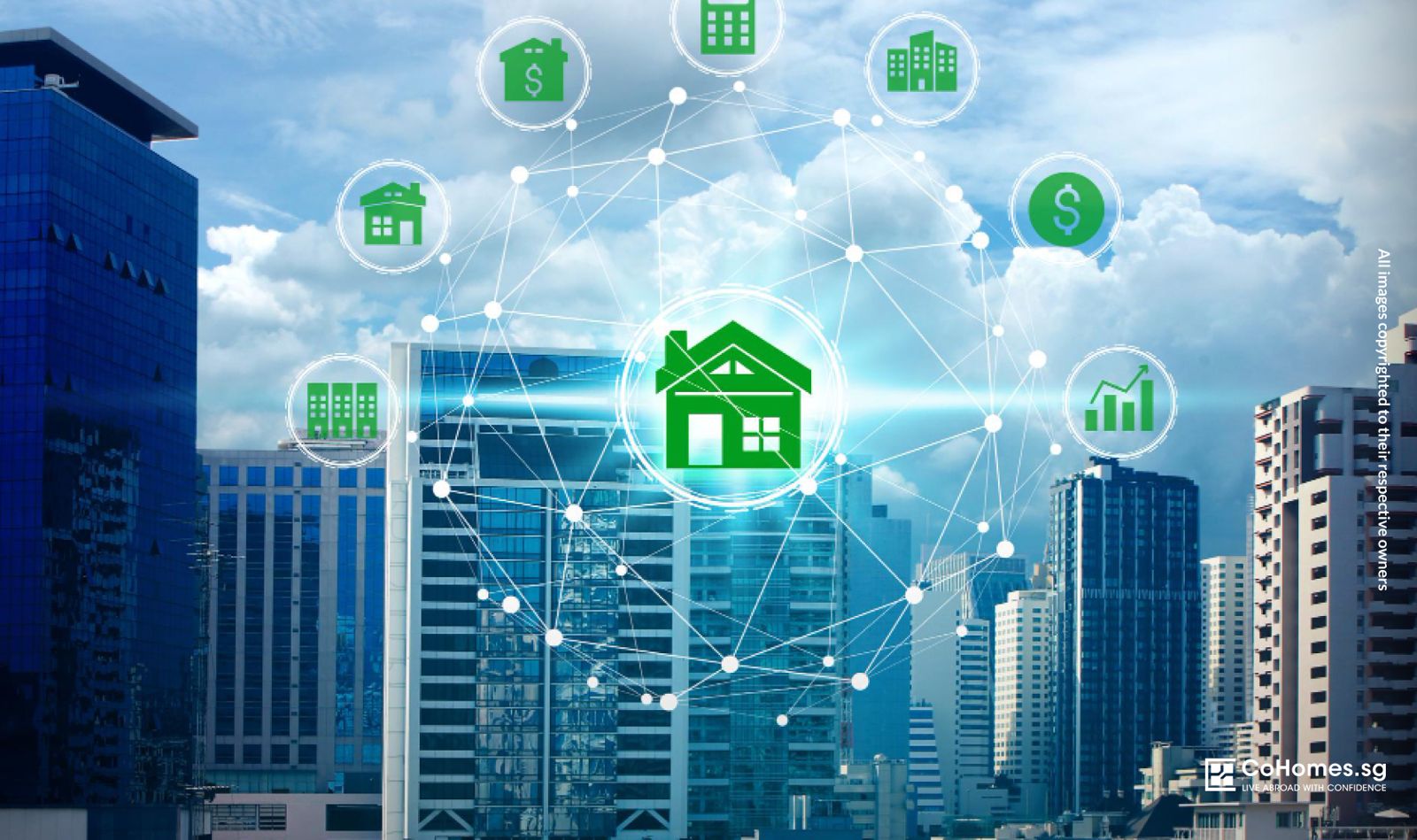
What Does “From Property to Platform” Mean
Traditionally, rental businesses focus on individual units. Each property is marketed, managed, and optimised separately. While this model can work at a small scale, it becomes inefficient as portfolios grow.
A platform approach, on the other hand, connects multiple elements into a unified system:
- Listings and demand generation
- Tenant onboarding and management
- Payments and contracts
- Maintenance and operations
- Community and experience
Instead of managing isolated assets, operators manage an integrated ecosystem.
Why the Platform Model Is Emerging Now
Several factors are driving the shift towards platform-based rental models.
Increasing Operational Complexity
As operators scale, managing multiple units manually becomes inefficient. A platform approach centralises processes and improves visibility.
Rising Tenant Expectations
Modern tenants expect seamless, digital-first experiences similar to other industries. This includes:
- Easy discovery and booking
- Transparent pricing and terms
- Responsive support
Growth of Flexible Living
Short-term and flexible leasing models require faster processes and better coordination, which platforms enable.
Expansion of PropTech Solutions
Technology is making it easier to build and integrate systems that support platform-based operations.
Key Components of a Rental Platform
Building a rental platform is not about adding one tool. It is about creating a connected system that supports the entire rental journey.
Core components include:
Demand and Distribution
- Centralised listing management
- Multi-channel marketing
- SEO-optimised content
Tenant Management
- Digital onboarding processes
- Contract and document management
- Communication systems
Payments and Financial Tracking
- Automated rent collection
- Expense tracking
- Financial reporting
Maintenance and Operations
- Centralised maintenance tracking
- Vendor coordination
- Performance monitoring
Experience and Community
- Tenant engagement tools
- Feedback systems
- Community-building initiatives
When integrated, these components create a seamless ecosystem.
Benefits of Moving to a Platform Model
The platform approach offers several advantages over traditional property management.
1. Scalability
Operators can manage more units without a proportional increase in workload.
2. Efficiency
Processes become standardised and automated, reducing manual effort.
3. Better Decision-Making
Centralised data provides insights into performance across the portfolio.
4. Improved Tenant Experience
A seamless journey from discovery to move-out increases satisfaction and retention.
5. Stronger Competitive Position
Operators differentiate not just by property, but by the overall experience they deliver.
The Role of Data in Rental Ecosystems
Data is a core pillar of any platform. It connects different parts of the system and enables continuous optimisation.
Operators can use data to:
- Adjust pricing dynamically
- Identify demand patterns
- Track tenant behaviour
- Improve operational efficiency
Without data, a platform is just a collection of tools. With data, it becomes a strategic advantage.
Challenges in Transitioning to a Platform
While the benefits are clear, moving to a platform model requires investment and planning. Common challenges include:
- Integrating different systems
- Standardising processes across units
- Training teams to adopt new workflows
- Balancing automation with personal service
Operators need a clear roadmap to manage this transition effectively.
How to Start Building Your Rental Platform
Operators do not need to build everything at once. The transition can be gradual. Start with:
- Identifying key operational bottlenecks
- Centralising core processes (e.g. listings, maintenance)
- Implementing tools that integrate well
- Standardising workflows across units
Over time, these steps form the foundation of a scalable platform.
From Operator to Ecosystem Builder
The shift to a platform model changes the role of the operator. Instead of managing individual properties, operators become ecosystem builders. This involves:
- Designing systems that connect different functions
- Delivering consistent experience across units
- Leveraging data for continuous improvement
It is a shift from execution to strategy.
The Future of Renting Is Integrated
As the rental market continues to evolve, isolated property management models will become less competitive. Integrated ecosystems that combine technology, experience, and operational efficiency will define the next generation of rental businesses.
Operators who embrace this shift early will be better positioned to scale and adapt.
Final Thought
The future of rental operations in Singapore and Southeast Asia is moving from fragmented property management to integrated platform ecosystems. This shift is not just about technology. It is about rethinking how rental businesses are built and scaled.
Operators who transition from managing properties to building platforms will unlock new levels of efficiency, growth, and competitive advantage.
At CoHomes, we help operators evolve into platform-driven businesses through integrated systems, data insights, and scalable operational models. Because the future of renting is not just about space. It is about the ecosystem you build around it.
.jpeg)
.jpeg)