When comparing rental rooms in Singapore, the monthly rent is usually the first number you look at.
A furnished room costs $100 or $200 more, so an unfurnished option can immediately appear to be the better deal.
After all, why pay extra for furniture you could buy yourself?
But there's a part of that calculation that often gets overlooked.
What does it actually cost to furnish a room yourself, and what happens to everything when you move out?
A bed, mattress, desk, chair, wardrobe, curtains, lamps and kitchen items can quickly add up. Then there is delivery, assembly, moving and eventually figuring out what to do with everything when your next room already comes furnished.
So the cheaper monthly rent isn't necessarily the cheaper rental.
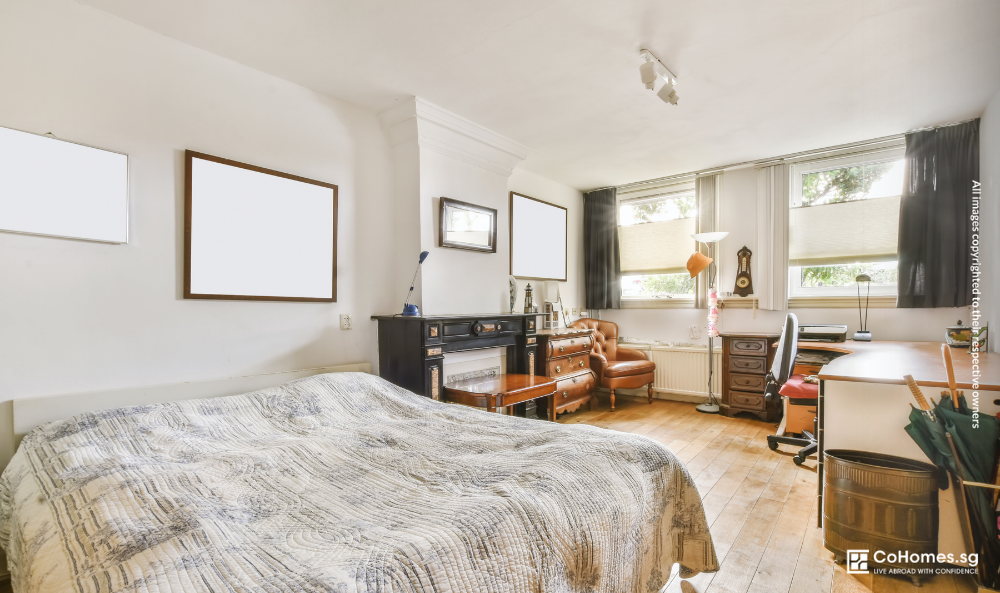
The Monthly Rent Is Only One Part of the Cost
Let's say you are comparing two rooms.
One is furnished at a higher monthly rent.
The other is cheaper but comes with little or no furniture.
At first glance, the second option looks more affordable.
But before deciding, think about everything you would need to buy to make the room genuinely liveable.
For example:
- Bed and mattress
- Desk and chair
- Storage
- Lighting
- Curtains or blinds
- Basic kitchen items
- Small appliances
- Bedding and other essentials
You don't necessarily need all of these from day one, and some renters may already own things they can bring with them.
But for someone relocating to Singapore with a suitcase rather than a household, the starting cost can be very different.
The Hidden Cost Is Often the “Small Stuff”
The expensive items are easy to remember.
A mattress. A desk. A wardrobe.
What tends to get forgotten are the smaller purchases that happen after moving in.
You buy a lamp because the room feels too dark.
Then hangers.
Then bedsheets.
Then a laundry basket.
Then kitchen utensils.
Then storage boxes because there isn't enough space.
None of these purchases feels particularly expensive on its own.
Together, they can turn a supposedly cheaper room into a much more expensive first month.
This is why comparing rental prices without considering setup costs can give you a misleading picture.
Then There's the Cost of Moving Those Things
Buying furniture isn't the end of the calculation.
You also have to get it into the room.
Depending on what you're buying, that can mean delivery fees, assembly costs or arranging transport yourself.
And if you're renting a room rather than an entire apartment, there is another question:
Where will you put everything?
A piece of furniture that seemed useful when you bought it may become a problem when you move into a smaller room later.
What Happens When You Move Out?
This is the part many renters don't think about when they buy furniture.
Imagine you've spent several hundred dollars furnishing your room.
Your lease ends.
Your next rental is already furnished.
Now you have a mattress, desk, chair and various household items that you don't necessarily need anymore.
You may have to sell them, give them away, move them into storage or pay someone to dispose of them.
The money you spent hasn't necessarily disappeared because you used the furniture.
But if you cannot take it with you or recover much of its value, the original purchase becomes part of the real cost of that rental.
This Matters Even More If You're Not Staying Long
Furnishing your own room can make sense when you know you'll stay for several years.
The longer you use the furniture, the more worthwhile the initial investment can become.
But for renters who are relocating for a new job, starting a new role, testing a new neighbourhood or simply unsure where they will be next year, the calculation changes.
Spending a significant amount upfront can make less sense when your housing situation is still uncertain.
This is where furnished rentals can offer something beyond convenience.
They reduce the amount of money you need to commit before you even know how long you'll stay.
Don't Compare $100 a Month Without Doing the Full Calculation
Suppose an unfurnished room saves you $150 a month compared with a furnished alternative.
Over 12 months, that looks like $1,800 in savings.
That sounds significant.
But now imagine you spend $1,200 setting up the room and another $200 moving or disposing of larger items later.
Your effective saving is no longer $1,800.
It is closer to $400, before considering the time and hassle involved.
The numbers will obviously be different for every renter.
The point isn't that furnished rooms are always cheaper.
It's that the monthly rent alone doesn't tell you which option costs less.
A Better Way to Compare Furnished and Unfurnished Rooms
Instead of comparing the advertised monthly rent, look at your expected total cost over the period you realistically expect to stay.
Consider:
Monthly rent + setup costs + delivery/assembly + ongoing purchases + moving/disposal costs
Then compare that with the furnished option.
You should also consider how much of the furniture you can realistically take with you afterwards.
If you already own a bed, desk and appliances, an unfurnished room may still make financial sense.
If you're arriving in Singapore with very little and don't know where you'll be living next year, the convenience of a furnished room can carry real financial value.
The Cheapest Option Depends on Your Situation
There isn't one correct answer for every renter.
An unfurnished room may be the better choice if you:
- Already own furniture.
- Expect to stay for several years.
- Have enough space to keep what you buy.
- Can move your belongings easily between homes.
A furnished room may make more sense if you:
- Are relocating to Singapore.
- Expect your housing situation to change.
- Don't want to spend heavily upfront.
- Prefer a simpler move-in process.
- Don't want to deal with furniture when your lease ends.
The important thing is to match the rental to your actual situation rather than assuming the lower monthly rent is automatically the better deal.
Convenience Has a Financial Value Too
There is also a cost that doesn't fit neatly into a spreadsheet: your time.
Buying furniture means researching what to buy, arranging delivery, waiting for items, assembling them and eventually getting rid of them.
For someone working full-time, that can turn the first few weeks in a new home into a surprisingly long list of errands.
A furnished room removes much of that work.
That doesn't mean convenience should replace financial thinking.
It means convenience is part of the value you're paying for.
Before Choosing the Cheaper Room, Ask These Questions
Before deciding between furnished and unfurnished, ask yourself:
- How long do I realistically expect to stay?
- How much furniture do I already own?
- How much would it cost to set up the room properly?
- Can I take the furniture with me when I move?
- Will I need to pay for storage or disposal later?
- How much time do I want to spend setting everything up?
The answers can completely change which room represents better value.
Final Thoughts
A furnished room can look more expensive when you compare monthly rent.
But an unfurnished room can come with costs that don't appear on the listing.
Furniture, delivery, setup, moving and disposal all become part of the real cost of renting.
For some renters, buying their own furniture is absolutely worth it.
For others, especially those relocating to Singapore or renting with an uncertain timeline, paying a little more for a furnished room may actually be the more practical financial decision.
The cheapest room isn't always the one with the lowest monthly rent. It's the one that makes the most sense for how long you plan to stay and how much it really costs to live there.
At CoHomes, furnished rental options are designed to make moving into a new home simpler, without requiring residents to build a household from scratch before they can settle in.