

Introduction
Moving into a new Singapore rental is exciting, but the first 30 days often determine whether your renting experience will be smooth or stressful.
For first-time tenants and even experienced renters, overlooking small details during the first month of renting in Singapore can lead to deposit disputes, unexpected costs, or long-term inconvenience. This guide breaks down exactly what renters should do in the first 30 days after moving into a Singapore apartment rental, helping you protect your deposit, manage responsibilities, and settle in with confidence.
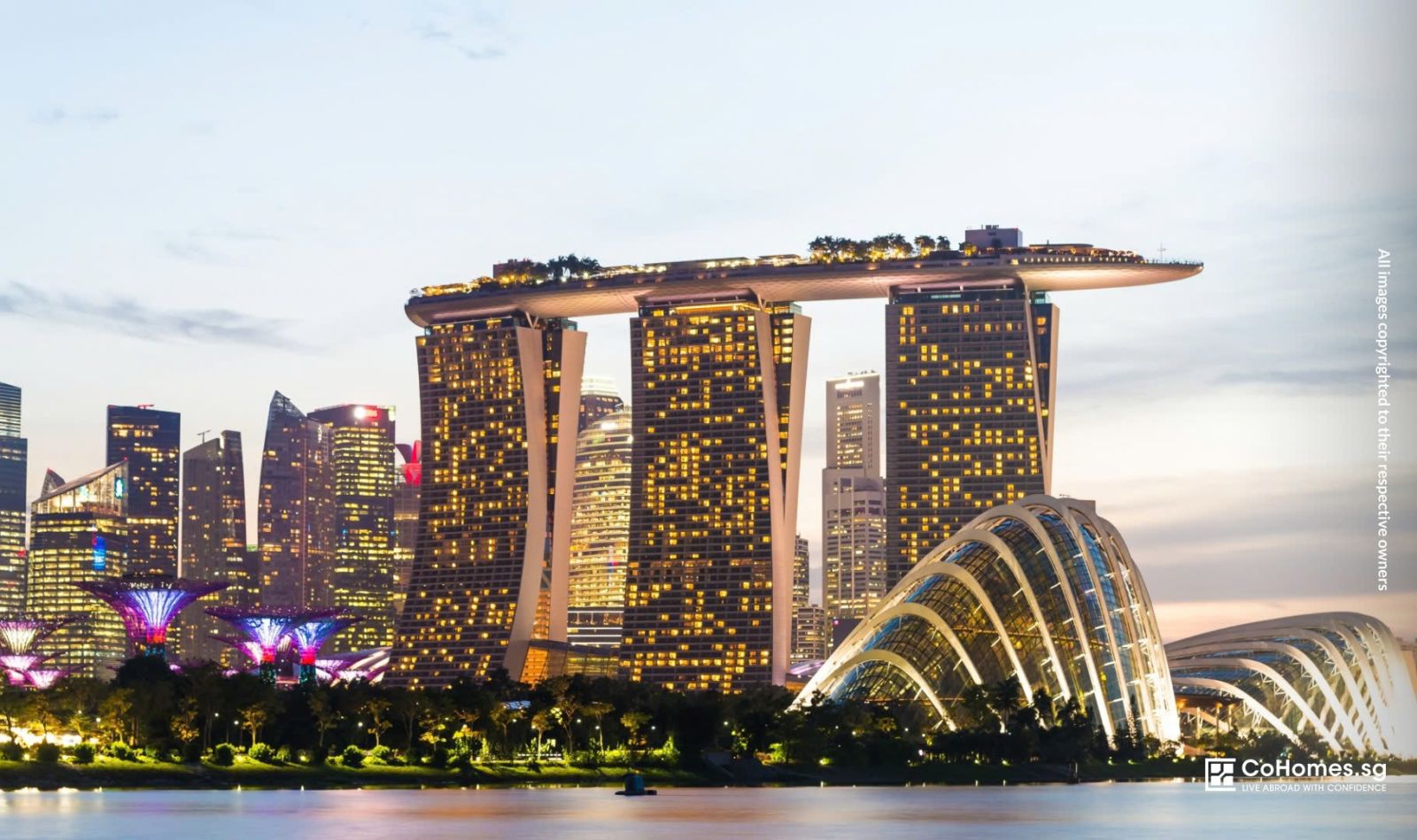
Week 1: What to Do in the First 24–72 Hours After Moving In
Inspect the Rental Unit Thoroughly
One of the most important steps when renting a property in Singapore is documenting the condition of the unit immediately. Check and record:
- Walls, ceilings, and flooring
- Air-conditioning units
- Electrical points and lighting
- Water pressure and plumbing
- Furnished items and appliances
Proper documentation protects tenants during move-out and prevents deposit disputes, a common issue in the Singapore rental market.
Confirm the Inventory List
For furnished or partially furnished Singapore rental units, verify:
- Every listed item
- Current condition and wear
- Missing or damaged items
Always send confirmation to your landlord or agent in writing.
Understand Utilities and Access
Clarify early:
- Utility billing method
- Internet setup
- Access cards, keys, and parking rules
This avoids confusion during your first month of renting in Singapore.
Week 2: Financial and Administrative Setup for Renters
Set Up a Reliable Rental Payment System
Create:
- Calendar reminders for rent payment
- A simple expense tracker
- One main communication channel with your landlord
Consistency is key for a stress-free tenant experience in Singapore.
Know Your Maintenance Responsibilities
Not all repairs fall under the landlord’s responsibility. Clarify:
- Minor repair thresholds
- Aircon servicing duties
- Replacement of consumables
Understanding this early helps tenants avoid unnecessary disputes.
Register Your Address Where Necessary
After securing a Singapore apartment rental, remember to update:
- Banks and service providers
- Employers or pass-related records
- Delivery and subscription services
Week 3: Making Your Singapore Rental Feel Like Home
Personalise Without Risking Your Deposit
Smart renters know how to personalise a rental without violating lease terms. Safe ideas:
- Removable hooks and décor
- Floor lamps and rugs
- Functional work-from-home setups
A comfortable living space improves productivity and well-being.
Set Shared Living Expectations Early
For co-living or shared rentals:
- Align on cleaning responsibilities
- Agree on guest policies
- Set noise expectations
Clear communication prevents most shared rental conflicts in Singapore.
Week 4: Long-Term Rental Thinking
Build a Professional Landlord Relationship
A healthy landlord-tenant relationship leads to smoother renewals. Best practices:
- Communicate issues early
- Keep records of requests
- Maintain a respectful tone
Review Your Rental Costs Realistically
After one month, evaluate:
- Rent affordability
- Transport convenience
- Utility expenses
This helps renters decide whether the unit is sustainable long-term.
Final Thought
Renting in Singapore doesn’t have to feel uncertain or temporary. When renters start with clarity, structure, and the right guidance, the experience becomes significantly smoother and more empowering.
At CoHomes, we believe renting should support your lifestyle, not limit it. That’s why we focus on helping renters find flexible, transparent, and well-managed living spaces across Singapore, so you can focus on building your life, not worrying about your lease.
.jpeg)
.jpeg)