When a rental room is empty, the most obvious number is the rent you're not receiving.
If the room would normally generate $1,000 a month, it is easy to think:
“One month vacant = $1,000 lost.”
But that is only part of the cost.
The room still exists.
The utilities may still need attention. The property may need cleaning. Someone still has to respond to enquiries, arrange viewings, follow up with potential tenants, prepare the room, and eventually handle the move-in.
And while all of this is happening, the room is generating no rental income.
This is why vacancy is not simply a revenue problem.
It is an operating cost that keeps accumulating while the room is empty.
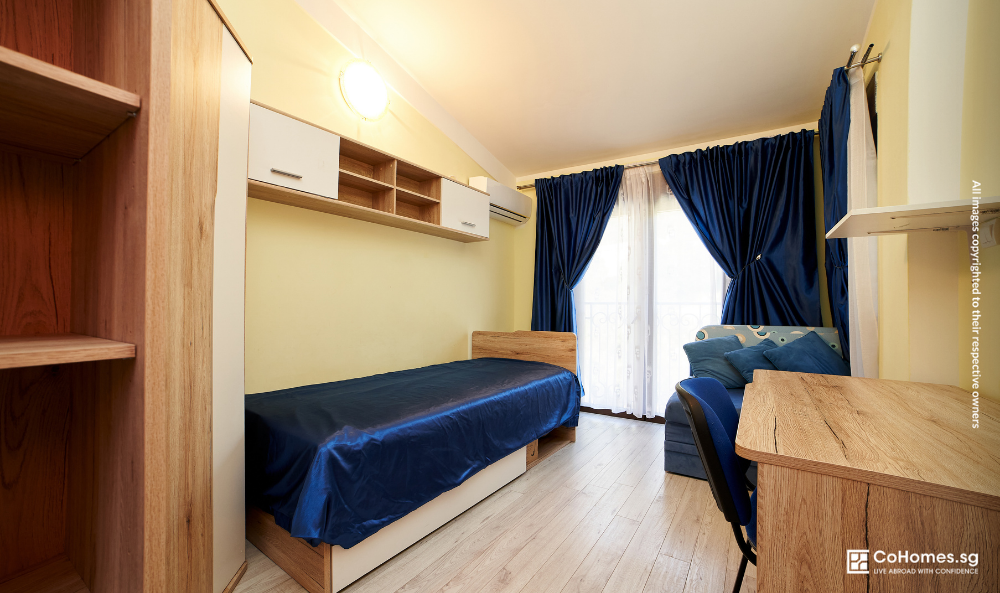
The Rent You Lose Is Only the Starting Point
Imagine a room becomes vacant after a tenant moves out.
The first thing an operator sees is the missing rental income.
But what happens next?
The room may need to be:
- Inspected
- Cleaned
- Repaired
- Re-stocked
- Photographed
- Listed
- Shown to potential tenants
- Prepared for the next move-in
None of these activities creates rental income on their own.
Yet they all take time and resources.
The longer the room remains vacant, the more the original “lost rent” number becomes only one part of the picture.
Every Vacancy Creates Work
A vacant room doesn't mean the operator has nothing to do.
In fact, vacancy can create a concentrated amount of work.
- Someone needs to coordinate the handover.
- Someone needs to check whether anything needs attention.
- Someone needs to arrange cleaning.
- Someone needs to respond to enquiries.
- Someone needs to schedule viewings.
- Someone needs to answer questions from prospective tenants.
And once a tenant is confirmed, there is still onboarding and move-in preparation.
For an owner managing one room, this may feel manageable.
Across multiple rooms, repeated vacancy can become a significant operational workload.
The Room Still Needs to Be Ready for the Next Tenant
A room that has been occupied for months may not be ready to show immediately after the previous tenant leaves.
There may be small repairs.
There may be cleaning required.
Furniture may need to be checked.
Fixtures may need attention.
Even when nothing major is wrong, the room still needs to look and feel ready for someone to move in.
This creates an important distinction:
Vacancy is not the same as availability.
A room can technically be empty but still not be ready to rent.
Every additional day between those two stages extends the period without rental income.
Viewings Take Time Too
Getting a prospective tenant interested is only one part of filling a room.
Someone still needs to manage the viewing.
Depending on how the property is managed, that might involve:
- Coordinating schedules
- Answering questions
- Opening the property
- Showing the room
- Explaining house rules
- Following up afterwards
- Handling additional enquiries
And not every viewing results in a tenancy.
A room can receive several enquiries before the right tenant comes along.
This is why looking only at the final signed lease can hide the amount of work required to fill a vacancy.
A Fast Move-Out Can Create a Slow Re-Fill
One of the frustrating parts of rental operations is that tenants leave according to their own timelines, while finding the next suitable tenant does not always happen at the same speed.
A tenant may hand back the room on one date.
The next tenant may only be ready to move in later.
In between, there can be a gap.
Even if that gap seems short, repeated vacancies across several rooms can add up.
For an operator, the question isn't only:
“How quickly can I find a tenant?”
It is also:
“How efficiently can I move from one tenancy to the next?”
Cutting the Rent Isn't Always the First Answer
When a room remains vacant, reducing the asking rent can seem like the simplest solution.
Sometimes pricing is genuinely the issue.
But it is not always the only reason a room isn't being rented.
Other factors can affect how quickly a room attracts suitable enquiries:
- Listing photos
- Listing information
- Response speed
- Viewing availability
- Room presentation
- Clarity around what is included
- House rules
- Move-in availability
- Tenant expectations
If the underlying problem is not price, reducing rent may simply reduce revenue without solving the real issue.
Before changing the price, it is worth understanding where the rental process is losing potential tenants.
The Cost of Vacancy Can Be About Time, Too
This is particularly easy for self-managing owners to overlook.
You may not be paying someone specifically to manage enquiries or viewings.
But that doesn't mean those activities are free.
You may be spending:
- Evenings replying to messages
- Weekends arranging viewings
- Time coordinating cleaners
- Time following up with prospects
- Time checking the property
- Time arranging repairs
The financial cost may not appear on a property statement.
But your time still has value.
Why Shorter Vacancy Isn't Just About Filling Faster
Reducing vacancy doesn't necessarily mean accepting the first person who wants the room.
A rushed placement can create a different set of problems.
If expectations aren't clear, the tenant may not be a good fit for the property.
If the room isn't properly prepared, the new tenant may move in with unresolved issues.
If the listing creates an unrealistic expectation, disappointment can begin before the tenancy has properly started.
So the goal isn't simply:
Fill the room as quickly as possible.
It is:
Reduce unnecessary vacancy while finding the right tenant and preparing the room properly.
That distinction matters.
A Better Way to Look at Vacancy
Instead of treating vacancy as one number, operators can look at the entire period between tenants.
When did the previous tenancy end?
This gives you the starting point.
When was the room ready to show?
If there is a long gap, the preparation process may need attention.
When did enquiries begin?
This can help identify whether the listing was reaching potential tenants quickly enough.
How many enquiries became viewings?
A low conversion may point to issues with communication, availability or expectations.
How many viewings became applications?
If many people view but don't proceed, the issue may not be visibility.
How long from confirmation to move-in?
Even after finding the next tenant, there can still be a gap before rental income resumes.
Looking at these stages separately gives operators a much clearer picture of where vacancy is actually happening.
The Real Cost Is the Accumulation
One vacant room for a few days may not seem significant.
But rental operations are rarely about one isolated vacancy.
If multiple rooms experience repeated gaps between tenants, the lost income and operational effort can accumulate.
That is when vacancy becomes more than an occasional inconvenience.
It becomes part of the operating model.
The goal should therefore be to understand why vacancies happen, where time is being lost, and which parts of the process can be made more efficient.
Final Thoughts
An empty rental room is easy to measure in terms of lost rent.
It's harder to measure the cleaning, coordination, viewings, follow-ups, preparation and owner time that happen around it.
But those costs are real.
For rental operators, reducing vacancy isn't simply about getting a tenant through the door faster.
It's about creating a smoother process between one tenancy ending and the next one beginning.
At CoHomes, professional rental management means looking beyond occupancy and considering the operational experience behind every room, from tenant transition and property preparation to the next move-in.